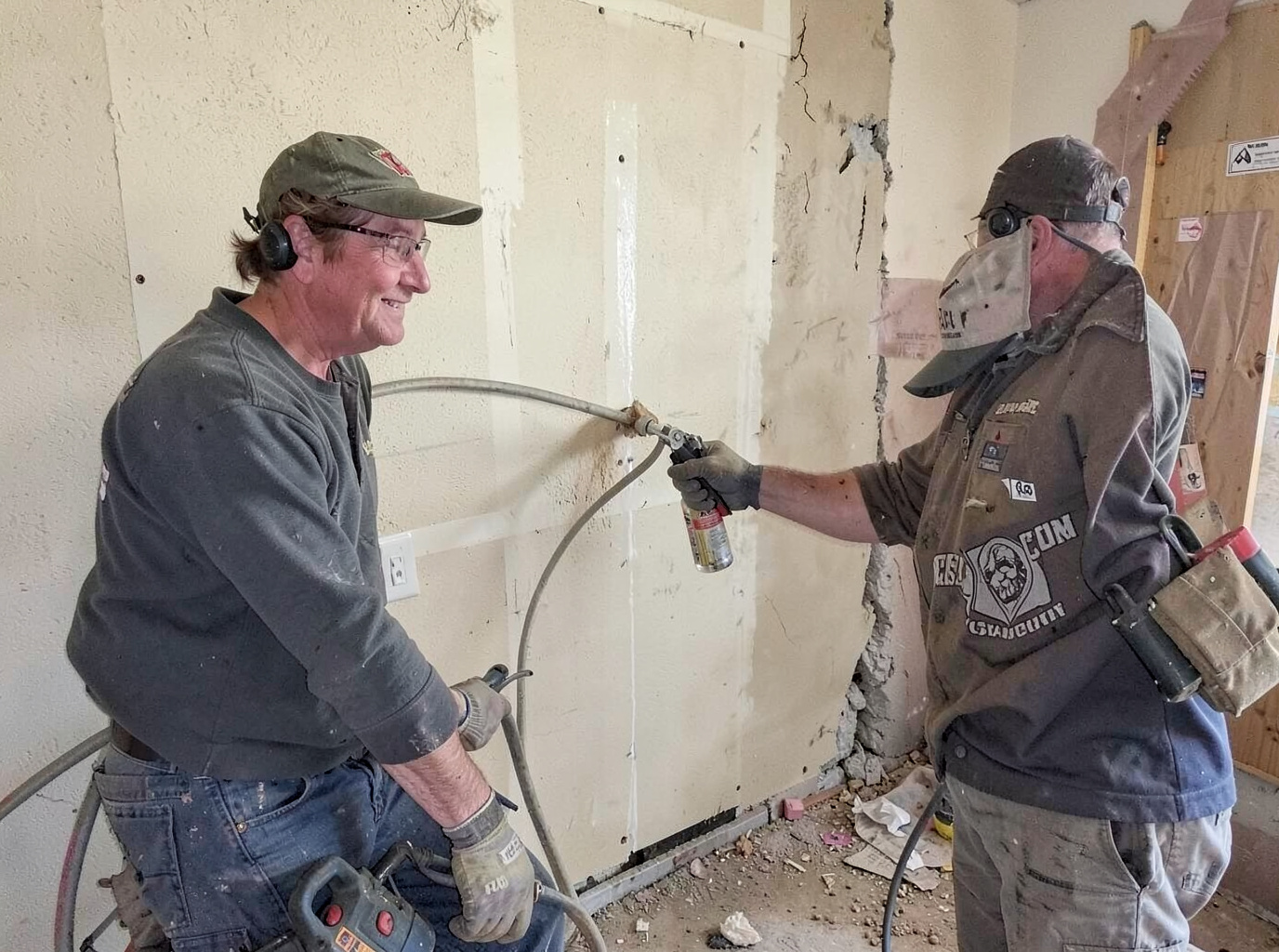
In Oshkosh housing stock built before 1960 common in Downtown and near the University of Wisconsin-Oshkosh, plaster over wood lath traps water behind the surface and creates hidden pockets that standard fans miss. Cold winters in Winnebago County slow evaporation rates and can freeze residual moisture inside cavities, leading to hidden mold growth once temperatures rise. Technicians must use moisture meters and infrared cameras to map saturation before cutting access points, because removing too much drywall raises repair costs while leaving wet material behind risks recurring damage when spring humidity arrives from nearby Green Bay.
Wall cavity drying here requires negative air machines and directed airflow through small holes rather than full wall removal whenever possible, especially in Northwest Oshkosh ranches with fiberglass batt insulation that holds water against studs. Warm summer conditions speed surface drying but leave deeper cavity moisture if airflow is not maintained for several days. Technicians monitor relative humidity daily because the area's humid continental climate can push indoor levels above 60 percent even after extraction, forcing longer equipment runtime than jobs in drier climates.
Edge cases appear after basement flooding near the Oshkosh Public Museum where clay-heavy soil slows drainage and keeps lower wall plates saturated for weeks. Code requires removal of wet drywall below the flood line in finished spaces to prevent hidden decay, yet many homeowners attempt to save material and later face higher costs when insulation must be replaced anyway. Proper drying sequences include initial extraction, cavity access, continuous dehumidification, and final moisture verification before any reconstruction begins.
Technician insight
In Oshkosh the thing that catches most people out with Wet Drywall and Wall Cavity Drying is older Downtown homes where plaster over lath holds water far longer than modern drywall, especially after winter freezes push moisture deeper into the framing before anyone notices.
Northwest Oshkosh ranch after ice dam leak
Water from a roof ice dam entered exterior walls during a February cold snap and soaked fiberglass insulation behind the drywall. We mapped the wet cavities, created small access holes at the base plates, and ran directed airflow for five days until readings dropped below 12 percent. The homeowners avoided full wall replacement and the rooms were ready for drywall patching once spring arrived.
Wet Drywall and Wall Cavity Drying Services We Offer
✓Drywall Moisture Mapping
Pinpoint saturated sections in walls using meters and thermal imaging so only affected areas are opened in older Oshkosh homes.
✓Wall Cavity Airflow Setup
Place air movers and negative pressure equipment through small access points to pull moisture from behind drywall without full demolition.
✓Insulation Removal and Replacement
Extract wet fiberglass or cellulose from cavities in Winnebago County homes then install dry material once moisture readings reach safe levels.
✓Base Plate and Stud Drying
Target lower wall framing that stays wet longest after winter pipe bursts or spring snowmelt in Northwest Oshkosh properties.
✓Post-Drying Moisture Verification
Confirm all cavities reach acceptable dryness before drywall repair to prevent hidden mold growth during humid summer months.
Wet Drywall and Wall Cavity Drying Cost in Oshkosh, WI
| Service | Typical Range | What Affects It |
|---|---|---|
| Single wall cavity drying | $350–$650 | Depends on number of access points and runtime needed in winter conditions. |
| Multi-room drywall drying | $800–$1,600 | Varies with home age and extent of hidden saturation in older lath-and-plaster walls. |
| Insulation extraction add-on | $200–$450 | Added when batts or cellulose hold water against framing. |
| Extended monitoring | $75–$150 per day | Required when summer humidity slows final drying in Winnebago County homes. |
Ranges are typical for Oshkosh, WI and confirmed with an exact written quote before any work starts.
How it works
- 1
Initial Assessment
Technicians inspect affected walls with moisture meters and cameras to locate water extent in cavities.
- 2
Access Creation
Small holes or base trim removal allow equipment insertion while preserving as much drywall as possible.
- 3
Equipment Placement
Air movers, dehumidifiers, and negative air machines run continuously with daily humidity checks.
- 4
Final Verification
Readings confirm dry conditions before equipment removal and handoff to restoration crews.
Pricing
Upfront quotes after on-site inspection of wall conditions and equipment needs.