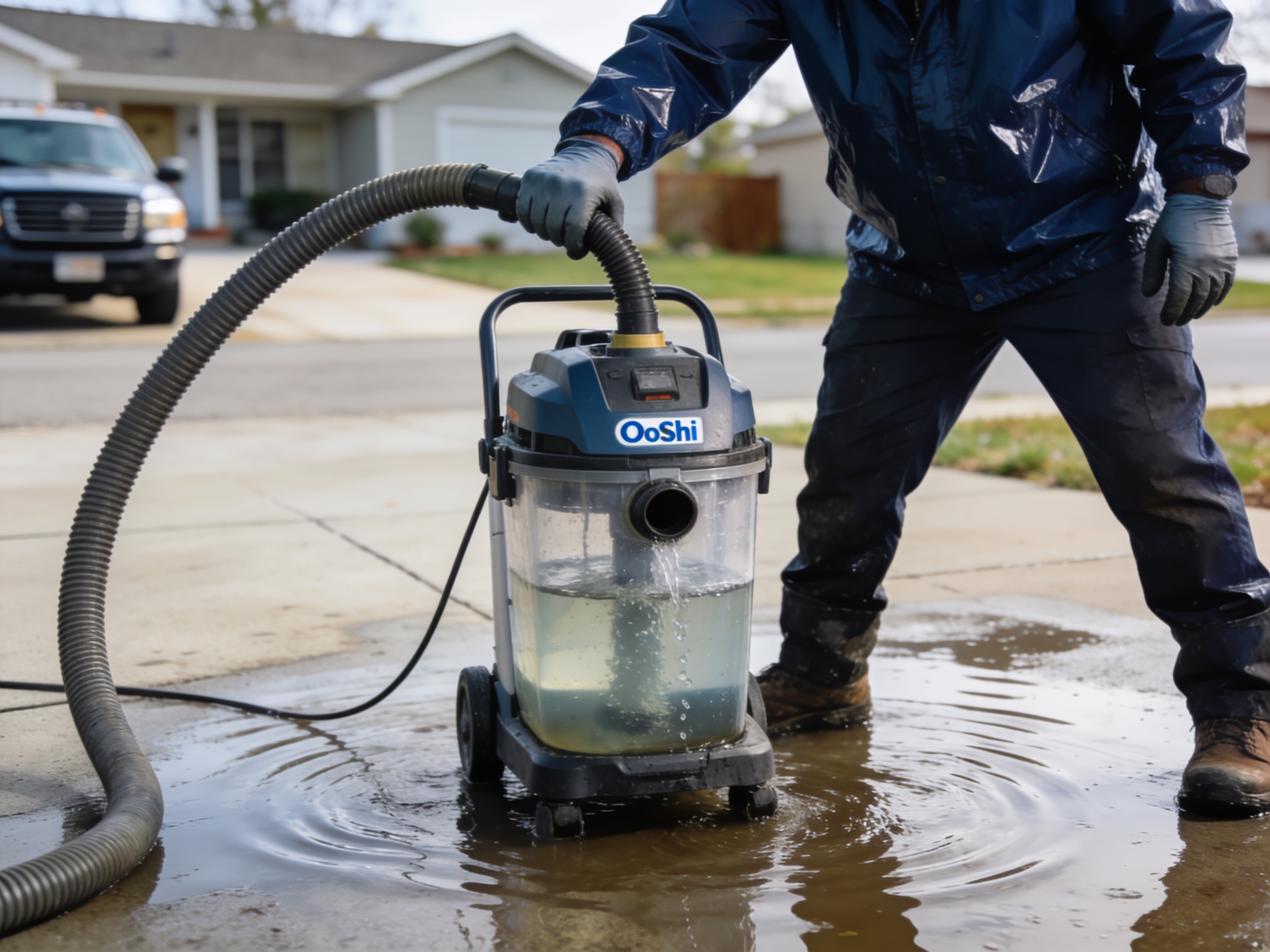
Oshkosh homes built before 1950 in the Downtown area often sit on clay-heavy soils that trap meltwater from heavy winter snows. When spring arrives or a sudden warm spell hits, standing water pools against foundations and seeps through older stone or block basements. Extraction crews must account for these tight access points and the risk of disturbing settled sediment that can clog floor drains connected to the city system.
Properties near the University of Wisconsin-Oshkosh and the Oshkosh Public Museum frequently report water entering through window wells after summer thunderstorms. The flat terrain in Winnebago County slows natural drainage, so crews use submersible pumps rated for 50-100 gallons per minute to pull water before it reaches finished flooring or electrical panels. Delaying extraction allows moisture to wick into joists, especially in the humid continental summers that follow.
Northwest Oshkosh neighborhoods with crawl spaces face different challenges when groundwater rises after prolonged rain. Extraction here requires routing hoses through narrow vents without disturbing insulation or disturbing nearby sewer lines. Crews check for hidden pockets behind HVAC equipment and under insulation that can hold water long after the visible surface appears dry.
Technician insight
In Oshkosh the thing that catches most people out with Standing Water Extraction is how quickly clay soil in the Northwest neighborhoods holds water after a January thaw; older homes there have no French drains, so water sits against the foundation for days and forces crews to pump longer than homeowners expect.
Spring thaw in a Downtown basement
A homeowner near the Oshkosh Public Museum called after snowmelt pushed water through a cracked stone foundation. Crews found eight inches of standing water covering the entire basement floor. Submersible pumps ran for four hours while discharge was routed to the street; hidden pockets behind the water heater were also cleared before the job finished.
Standing Water Extraction Services We Offer
✓Basement Standing Water Removal
Rapid pump-out of pooled water from older Downtown basements before it damages stored items or reaches electrical outlets.
✓Crawl Space Water Extraction
Targeted removal from low-clearance spaces common in Northwest Oshkosh homes where clay soil holds moisture after spring thaws.
✓Post-Thaw Standing Water Cleanup
Extraction following winter snow melt that overwhelms foundations near the University of Wisconsin-Oshkosh campus.
✓Commercial Property Water Removal
Standing water extraction for retail and office buildings in central Oshkosh after heavy summer storms.
✓Window Well Flood Extraction
Clearing water that collects against foundation walls in homes near the Oshkosh Public Museum after intense rainfall.
Standing Water Extraction Cost in Oshkosh, WI
| Service | Typical Range | What Affects It |
|---|---|---|
| Residential basement extraction | $350–$850 | Varies with depth and whether hoses must run through finished rooms. |
| Crawl space extraction | $400–$950 | Higher when insulation must be moved or access is limited. |
| Commercial standing water removal | $600–$1,400 | Depends on square footage and after-hours timing. |
Ranges are typical for Oshkosh, WI and confirmed with an exact written quote before any work starts.
How it works
- 1
Site Assessment
Technicians inspect water depth, access routes, and nearby electrical hazards in the specific Oshkosh property.
- 2
Water Extraction
Submersible pumps and wet vacuums remove standing water while routing discharge away from city storm drains.
- 3
Hidden Moisture Check
Crew scans under flooring and behind walls for trapped water common in older Winnebago County homes.
- 4
Final Walkthrough
Confirm all visible water is gone and document conditions for the homeowner before leaving the site.
Pricing
Upfront quotes after on-site inspection; price depends on water volume and access difficulty.